Bohinj vs Bled (2026): Which Lake Should You Stay At?
Honest local comparison: crowds, prices, swimming temperatures, the 30-min drive — and which lake suits your trip. Decide your Slovenia base in 5 minutes.
· Updated:
Two Alpine Lakes, Two Very Different Experiences
Slovenia has two stunning glacial lakes just 30 kilometres apart, yet they feel like different worlds. Lake Bled is the polished postcard: an island church, a clifftop castle, and a perfectly manicured promenade. Lake Bohinj is the wilder, quieter sibling, sitting at the edge of Triglav National Park with dense forests and towering peaks on every side. Both are worth visiting. But if you’re booking accommodation for a few nights, you’ll need to pick a base. This guide lays out the honest differences.
Quick Comparison
Size
Lake Bohinj is the larger of the two, about 4.2 km long and the biggest permanent natural lake in Slovenia. Lake Bled is roughly half the size at 2.1 km long, though it’s far more internationally recognisable thanks to that iconic island.
Crowds
Bled attracts several million visitors per year. In peak summer (July–August), the lakeside path can feel shoulder-to-shoulder, restaurant queues form, and parking becomes a genuine headache. Bohinj receives considerably fewer tourists and maintains a calmer atmosphere year-round. If tranquillity matters to you, this is the single biggest factor.
Water Temperature
Both lakes are swimmable in summer. Bohinj reaches about 22–24 °C in July and August. Bled tends to be slightly warmer because it sits at a lower elevation and is more enclosed. Both are refreshing rather than warm.
Getting There
Bled is easier to reach by public transport, it has a nearby train station (Lesce-Bled) and regular buses from Ljubljana (about 1 hour). Bohinj is another 30 minutes by car or bus beyond Bled, with less frequent connections. For all routes, drive times, buses and parking details, see our full guide on getting to Lake Bohinj.
Why Choose Bohinj
1. Unspoiled Natural Setting
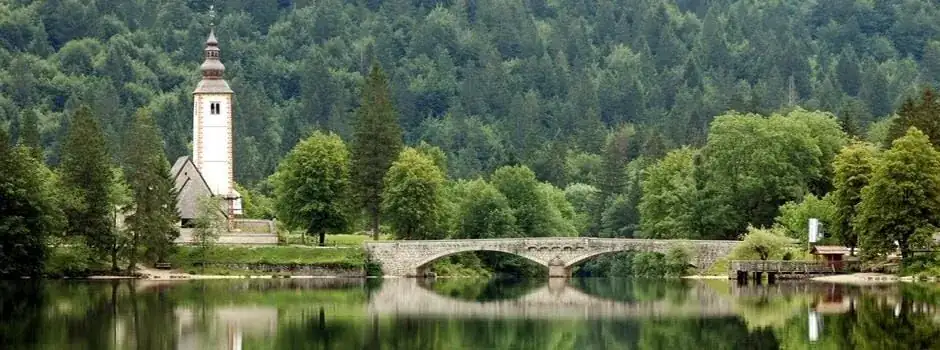
Bohinj lies on the doorstep of Triglav National Park. The surroundings are minimally developed, forests run right down to the water’s edge, and the mountains rise steeply behind. There are no amusement arcades or neon signs, just nature.
2. World-Class Hiking
From the village of Ribčev Laz, at the eastern end of the lake, trails fan out in every direction. The Savica Waterfall is a 20-minute drive (or a longer walk), the Mostnica Gorge offers a spectacular canyon walk with a natural rock bridge, and the Vogel cable car lifts you to 1,535 m with panoramic views across the entire Julian Alps.
3. Less Commercial
You won’t find rows of souvenir shops or tourist-trap restaurants around Lake Bohinj. The offering is more modest but more authentic, local gostilna (inns) serving Bohinj cheese, štruklji, and trout at reasonable prices.
4. Water Activities
Bohinj is superb for kayaking, stand-up paddleboarding, and canoeing. The lake is large enough that you never feel crowded, and wind conditions are typically mild. In some winters, the lake freezes over entirely, a rare and beautiful sight.
5. A Practical Base
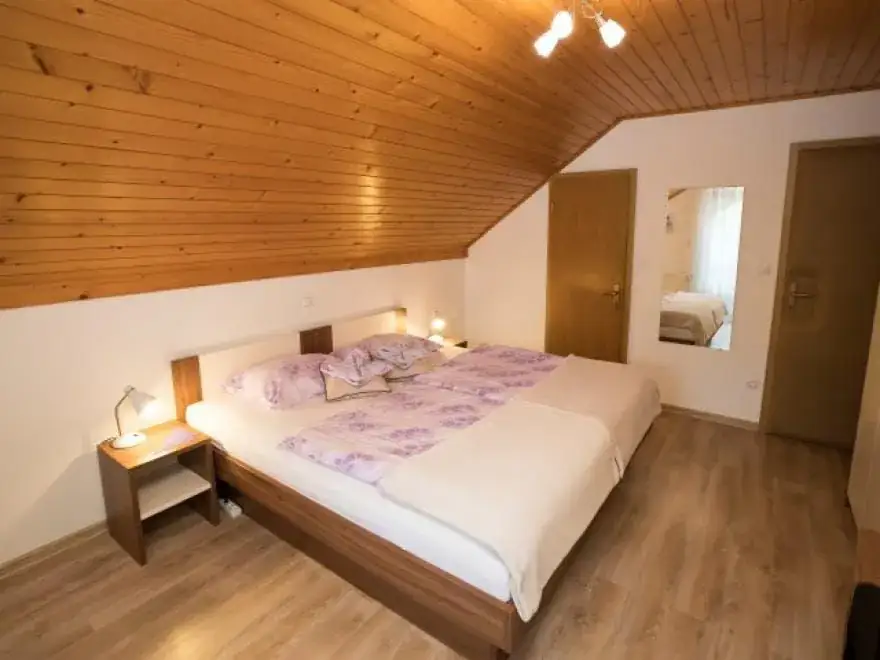
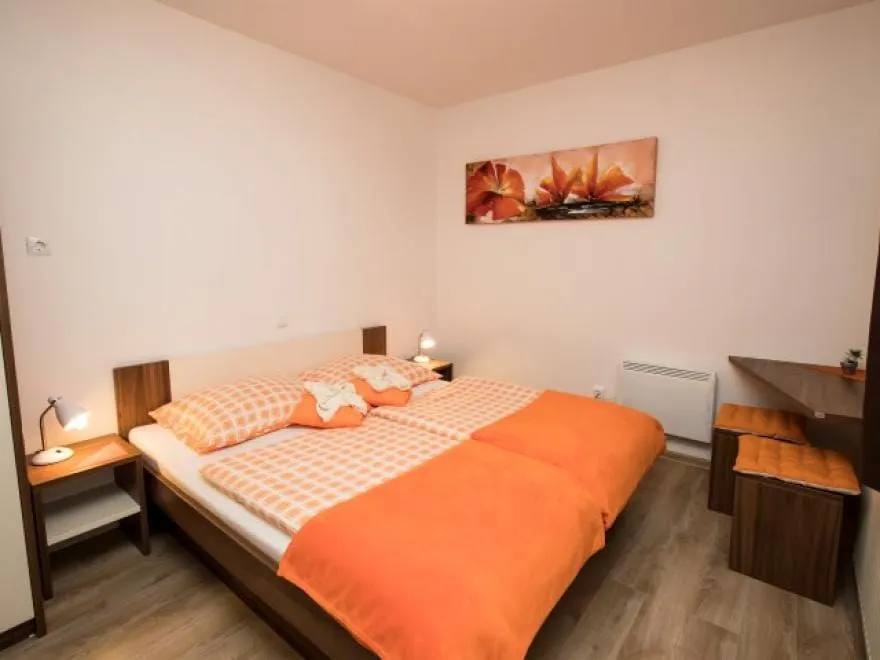
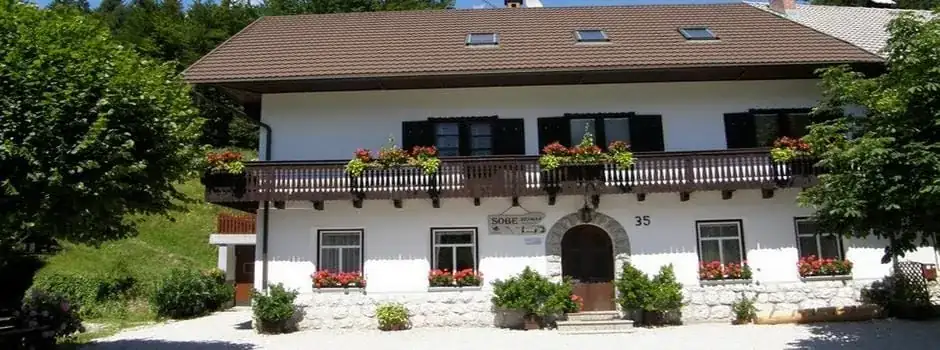
If you stay in Bohinj, for example at Apartments Resman in Ribčev Laz, Bled is just 30 minutes away for a day trip. You get the best of both worlds: peaceful evenings and mornings in Bohinj, with Bled easily accessible whenever you want it. Apartments Resman offers free parking with 24/7 video surveillance, which is a genuine advantage during peak season when parking near either lake is notoriously difficult.
Why Choose Bled
1. Iconic Beauty
Bled is simply Bled. The island church, the castle on the cliff, the Julian Alps behind, it’s one of the most recognisable images in all of Central Europe. If you want the classic romantic postcard, Bled delivers.
2. The Bled Cream Cake
Yes, this is a legitimate reason. The original kremšnita at Kavarna Park has been served since 1953 and is genuinely worth the trip.
3. More Services
Bled has a wider range of hotels, restaurants, cafes, and organised activities. If you prefer more dining options and evening entertainment, Bled is the better pick.
4. Easier Access
For those without a car, Bled is significantly simpler to reach. The train station, frequent buses from Ljubljana, and proximity to the airport (35 km from Ljubljana Airport) are all advantages.
5. Vintgar Gorge
The Vintgar Gorge (1.6 km of wooden walkways above rapids and waterfalls) is just 4 km from Bled. It gets crowded in summer, but the experience is remarkable.
Side-by-Side Comparison Table
| Criteria | Bohinj | Bled |
|---|---|---|
| Lake length | 4.2 km | 2.1 km |
| Summer crowds | Moderate | High |
| Public transport | Bus from Bled | Train + bus from Ljubljana |
| Parking | Limited, paid | Very limited, paid |
| Swimming | Yes, natural beaches | Yes, more crowded |
| Hiking | Excellent (Triglav NP) | Good (Vintgar, Osojnica) |
| Restaurants | Fewer, authentic | Many, varied |
| Winter sports | Vogel skiing, cross-country | Ice skating, walks |
| Best for | Nature lovers, hikers, quiet | Romance, culture, amenities |
Do You Actually Have to Choose? Visit Both.
Here’s the key insight: you don’t have to pick just one. The two lakes are only 30 km apart, that’s a 30–40 minute drive. Most visitors staying for a week comfortably visit both.
Our recommendation: base yourself in Bohinj, where accommodation tends to be more affordable, the surroundings are quieter, and the activities lean toward nature and adventure. Then visit Bled as a day trip, walk the promenade, eat the cream cake, maybe visit the castle, and return to the peace of Bohinj for the evening.
From Apartments Resman in Ribčev Laz, Bled is a 30-minute drive. If you’re driving an electric vehicle, you can top up at our Type 2 charging station (11 kW, one free charge included with direct bookings) and head to Bled with a full battery.
Frequently Asked Questions
Is Bohinj really more beautiful than Bled?
That depends entirely on what you’re looking for. Bohinj is wilder and more natural. Bled is more manicured and photogenic in a classic sense. Both are genuinely stunning. Nature enthusiasts typically prefer Bohinj; those seeking classic romance lean toward Bled.
How much time do I need for each?
For Bled, one full day covers the highlights, the lakeside walk, the castle, the cream cake, and perhaps Vintgar Gorge. For Bohinj, we’d recommend at least 2–3 days to explore properly: Savica Waterfall, Mostnica Gorge, the Vogel cable car, swimming, kayaking.
Is Bohinj cheaper than Bled?
Generally yes. Accommodation and restaurant prices around Lake Bohinj tend to be lower than in Bled, where prices reflect the town’s international popularity.
Where is swimming better?
Both lakes are suitable, but Bohinj offers a more natural experience, grassy and pebbly beaches, less crowding, and cleaner water. Bled is more managed but gets very busy in summer.
Which is better for families with children?
Both work well. Bled offers the pletna boat ride to the island (children love it) and a shorter, flatter lakeside walk. Bohinj offers more space, fewer crowds, and better access to outdoor activities. Families who enjoy nature and water activities often find Bohinj the better fit.
Can I travel between the lakes without a car?
Yes. Buses run from Bled to Bohinj (Ribčev Laz) several times daily, taking about 30–40 minutes. Frequency increases in summer. Check the Alp2Go or ARRIVA websites for current timetables.
Is Bohinj good in winter?
Absolutely. Vogel offers skiing with views over the lake, the area has maintained cross-country skiing trails, and you can snowshoe or winter hike. Bled is quieter in winter but offers fewer winter sports. See our dedicated winter guide for more details.
The Verdict
Bled and Bohinj are both exceptional, but they serve different needs. Bled is the polished classic, perfect for romantic getaways and short visits. Bohinj is for those seeking a genuine connection with the mountains, real quiet, and active holidays.
If you have time, see both. If you must choose, ask yourself what matters more: refined tourist infrastructure or authentic alpine nature. Either way, you won’t be disappointed.
Plan your Bohinj stay
Private rooms with wellness, shared kitchen and free parking in Ribčev Laz.
Book your stay →